How I Taught My Child to Read Analog Clocks: A Parent's Success Story
Introduction
Does your child freeze when faced with an analog clock? As a parent, I know the frustration of watching my child struggle with time-telling while every traditional method failed. This is our journey from confusion to confidence using this interactive analog clock – a breakthrough that transformed tears of frustration into proud declarations of "Look Mom, I got it right!"
Why Traditional Clock-Teaching Methods Fail for Today's Kids
The Visual-Spatial Challenge of Clock Hands
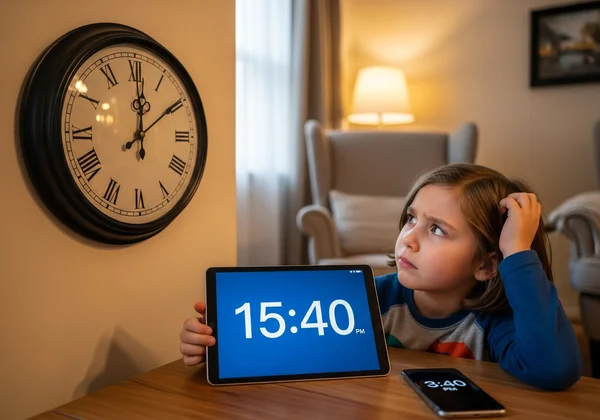
Children today grow up surrounded by digital displays, making the analog clock's rotating hands particularly challenging. My daughter couldn't grasp how the short hour hand and long minute hand worked together – they were just "pointy things going in circles" to her.
Why Digital Clocks Have Made Analog Learning Harder
Our digital world has created an unexpected problem: children lack daily exposure to analog timepieces. Unlike previous generations who constantly saw wall clocks and wristwatches, today's kids primarily see numerical displays on devices, making clock reading practice scarce outside the classroom.
How the Interactive Clock Transformed Our Learning Journey
The 'Aha!' Moment: When Dragging Hands Made Time Concrete
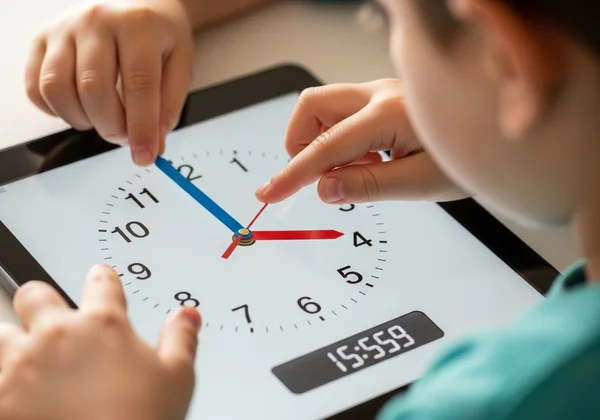
The game-changer came when my child could physically drag the blue hour hand and red minute hand on this interactive tool. Seeing the digital display update instantly created the crucial connection between hand positions and numerical time.
How Random Time Practice Built Confidence
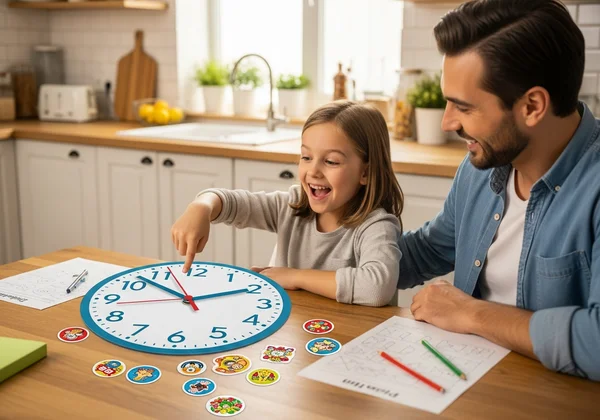
We started using the "Random Time" button as our daily challenge. Each successful identification earned stickers, turning practice into a fun game rather than homework. Within days, my child was requesting "one more try!" instead of dreading clock practice.
Why Hiding the Digital Time Was the Breakthrough We Needed
The "Hide Digital Time" feature became our secret weapon. Starting with this feature off for guided learning, we gradually progressed to covering the digital display as confidence grew. This stepped approach prevented frustration while building independent time-telling skills.
Real Results: Before and after Using the Interactive Tool
From Tears to Triumph: A Child's Perspective
"Before it was scary," my daughter confessed, "but now it's like a game where I'm the clock boss!" Her transformation from resistant learner to enthusiastic time-teller happened faster with two weeks of interactive clock practice than three months of workbook drills.
What Teachers Noticed When We Took Learning to School
Ms. Thompson reported dramatic improvement in classroom performance: "Suddenly she was the first to answer clock-reading questions! Whatever you're doing at home, keep it up." We shared our fun time-teaching activities with other parents at the next PTA meeting.
3 Proven Strategies We Used to Maximize Learning
Making Time Learning Part of Daily Routines
We turned everyday moments into teaching opportunities:
- "Set the breakfast clock to 7:30!"
- "Show me what 5:00 playtime looks like!"
- "Let's make the clock match your bedtime!"
Turning Practice into Games That Kids Love
Our favorite creations:
-
Time Detective: Parents set the clock and kids "solve" the mystery time
-
Beat the Randomizer: Race against the "Random Time" button
-
Clock Freeze Dance: Freeze when music stops and read the clock
Using the 'Lock Hand' Feature for Focused Learning
The Lock Hand functionality was crucial for targeted practice. We started by locking the minute hand at 00 to master "o'clock" times, then progressed to locking just the hour hand for minute-only practice. This step-by-step approach built skills without overwhelm.
Your Child Can Master Analog Clocks Too—Here's How to Start
Our journey proves that with the right tools and approach, clock-reading struggles can transform into confidence. The key was moving beyond static workbook pages to hands-on learning with interactive time-teaching tools.
Ready to see similar results? Here's how to get started:
- Bookmark our interactive clock on all devices
- Start with 5-minute daily sessions using random time generator
- Gradually introduce "Hide Digital Time" as skills improve
- Celebrate small victories to maintain motivation
Click here to start your child's time-telling journey now – it's free, fun, and frustration-free!
Frequently Asked Questions About Teaching Kids to Tell Time
At what age should I start teaching my child to read analog clocks?
Most children are developmentally ready between 5-7 years old. Start when they can confidently count to 60 and recognize numbers 1-12. Our interactive analog clock for kids lets you begin with simple "o'clock" times and gradually increase difficulty.
How long does it typically take for a child to master clock reading?
With daily 10-minute sessions, most children grasp basic time-telling in 4-6 weeks. Full mastery (including concepts like "quarter past" and "half past") typically takes 2-3 months. The fun clock playground keeps practice engaging throughout this learning curve.
What should I do if my child gets frustrated and wants to quit?
- Scale back difficulty using the Lock Hand feature
- Return to known successes to rebuild confidence
- Physical movement: Let them "be the clock" by using arms as hands
- Switch to game mode – our time-teaching games turn frustration into fun
Give these approaches a try with our free interactive clock – no registration required